
Erectile Dysfunction in 30s: Causes & Treatment
Men’s Health, Erectile Dysfunction, Sexual Wellness
Erectile Dysfunction in Your 30s: Causes, Signs & Treatment
Wondering if erectile dysfunction in 30s is really possible—or if you’re the only one dealing with it? You’re not alone. While many people think ED only affects older men, problems getting or keeping an erection are surprisingly common in men in their late 20s and 30s. Understanding the causes, symptoms, and treatment options can help you take control of your sexual health and know when it’s time to talk with a doctor.
Can Erectile Dysfunction Happen in Your 30s?
Erectile dysfunction (ED) is the ongoing difficulty achieving or maintaining an erection firm enough for satisfying sexual activity. It’s normal to have the occasional off night, especially when you’re tired, stressed, or have had a lot to drink. But when erection problems keep happening, it may be a sign of erectile dysfunction in 30s that deserves attention.
Studies suggest that up to a quarter of men seeking help for ED are under 40. In younger men, ED often has more than one cause—a mix of physical, psychological, and lifestyle factors. The good news is that, with proper evaluation and treatment, many men in their 30s can significantly improve or fully resolve ED.
Common Causes of Erectile Dysfunction in 30s
Erections depend on healthy blood vessels, nerves, hormones, and brain signals. Anything that interferes with these systems can contribute to erectile dysfunction in your 30s. Common causes include:
Stress and burnout: Long work hours, financial pressures, or new-parent fatigue can disrupt desire and performance by increasing stress hormones like cortisol.
Alcohol and recreational drugs: Heavy drinking, vaping, smoking, cannabis, and some other substances can reduce blood flow, dull nerve responses, and interfere with erections in the moment and over time.
Porn overuse and performance pressure: For some men, frequent pornography use or unrealistic expectations about sex can make it harder to respond to real-life intimacy, especially with anxiety in the mix.
Obesity and inactivity: Extra weight, especially around the abdomen, is linked to lower testosterone, poorer circulation, and a higher risk of ED even in younger men.
Medications: Certain antidepressants, blood pressure medicines, and other drugs can have sexual side effects. Never stop a prescription on your own, but do bring concerns to your doctor.
Symptoms and Early Warning Signs to Watch For
Erectile dysfunction does not always appear overnight. Symptoms may start subtly and become more frequent. Signs that may point to erectile dysfunction in 30s include:
Needing more stimulation or time than before to get an erection
Erections that are less firm or don’t last long enough for penetration or completion
Difficulty maintaining an erection during sex, especially under pressure or when you feel “on the spot”
Fewer spontaneous morning erections than you used to have
Worry or dread about sexual situations because of past erection problems
Occasional difficulties are usually nothing to panic about. But if these symptoms persist for several weeks or months, it’s worth talking with a healthcare professional to rule out underlying issues and discuss treatment options.
The Role of Psychological Factors in ED in Your 30s
Psychological factors play a major role in erectile dysfunction in 30s. Even when there is a physical component, the mind–body connection can make symptoms better or worse. Common psychological contributors include:
Performance anxiety: Worrying about “performing well” or satisfying a partner can trigger a stress response that interferes with erections in the moment and creates a cycle of fear and avoidance.
General anxiety and depression: Mood disorders can reduce libido, disrupt sleep, and change brain chemistry, all of which can affect sexual function.
Relationship stress: Unresolved conflict, lack of emotional connection, or communication problems with a partner can spill over into the bedroom and contribute to ED.
💡 Pro Tip: If your ED started suddenly after a stressful life event or only happens with certain partners or situations, psychological factors may be playing a bigger role than you realize—and therapy or counseling can be just as important as medical treatment.
Underlying Health Issues Linked to ED in Your 30s
One of the most important things to understand is that persistent ED may indicate underlying health problems. In some men, erectile dysfunction is the first noticeable sign of a medical condition that hasn’t been diagnosed yet. These can include:
Cardiovascular disease: Narrowed or damaged blood vessels reduce blood flow to the penis. Because penile arteries are smaller than coronary arteries, ED can appear years before chest pain or heart attacks.
High blood pressure and high cholesterol: Both contribute to hardening and narrowing of arteries, which affects erections and long-term heart health.
Diabetes and prediabetes: Elevated blood sugar damages nerves and blood vessels, making ED more likely at a younger age if blood sugar is not well controlled.
Hormonal imbalances: Low testosterone, thyroid disorders, or elevated prolactin can all affect desire and erections.
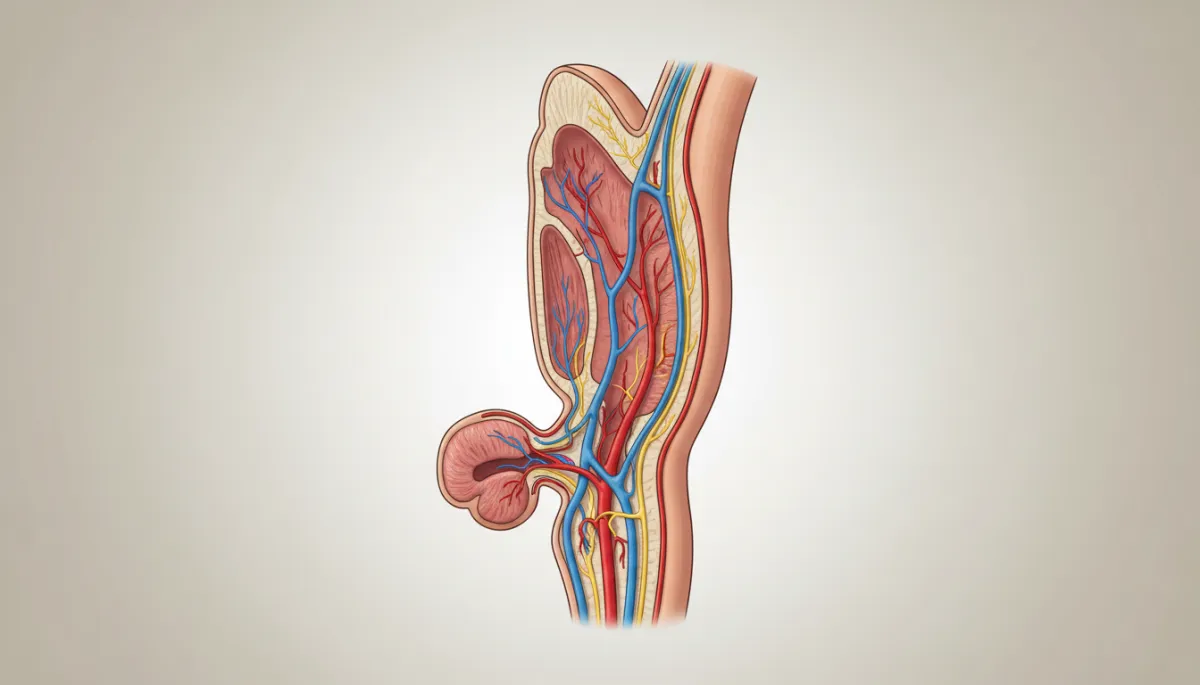
Healthy blood flow and nerve function are essential for firm, reliable erections.
Because of these links, professional evaluation is important. Checking blood pressure, cholesterol, blood sugar, and hormones can protect not just your sex life but your long-term health as well.
How Erectile Dysfunction Is Diagnosed
Diagnosis of erectile dysfunction in 30s usually starts with an honest conversation. Your healthcare provider will ask about your symptoms, medical history, medications, lifestyle, and mental health. They may also ask whether you still wake with morning erections or have erections during masturbation, which can help distinguish physical from psychological causes.
A physical exam typically includes checking your heart, lungs, blood pressure, and genitals. Blood tests may be ordered to look at:
Blood sugar and A1C (for diabetes and prediabetes)
Cholesterol and triglycerides
Testosterone and sometimes other hormone levels
In more complex cases, a urologist might recommend specialized tests, such as ultrasound of penile blood flow. But for many men in their 30s, a detailed history, exam, and basic lab work are enough to guide a treatment plan.
Treatment Options for Erectile Dysfunction in Your 30s
Treatment for erectile dysfunction in your 30s is highly individual. Your doctor will tailor options based on the likely causes, your overall health, and your preferences. Often, a combination of lifestyle changes, medical treatments, and psychological support works best.
Lifestyle Changes and Self-Care
Exercise regularly: Aim for at least 150 minutes of moderate activity per week. Cardio and strength training improve blood flow, hormone balance, and confidence.
Quit smoking and cut back on alcohol: Both can damage blood vessels and worsen ED. Even small reductions can make a difference.
Improve sleep and stress management: Prioritizing 7–9 hours of sleep and using tools like mindfulness, therapy, or relaxation exercises can support healthy erections.
Medications for ED
Oral medications such as sildenafil, tadalafil, vardenafil, and avanafil are often first-line treatments. They work by enhancing the natural signals that relax blood vessels in the penis, making it easier to get and maintain an erection when you’re sexually aroused. These medicines are generally safe for many men in their 30s but must be prescribed by a clinician who understands your medical history, especially if you take heart or blood pressure medications.

Treatment plans may combine lifestyle changes with oral or injectable ED medications.
Vacuum Erection Devices (Penis Pumps)
A vacuum erection device is a non-drug option that uses gentle suction to draw blood into the penis. You place the penis inside a cylinder, create a vacuum using a hand or battery pump, and then apply a tension ring at the base to maintain the erection during sex. These devices can be helpful if medications are not effective or not recommended, though they do require some practice and planning.
Injection Therapy and a High-Level Look at Trimix
For men who do not respond well to pills—or who prefer a more predictable response—penile injection therapy is another option. This involves using a very small needle to inject medication directly into the erectile tissue of the penis shortly before sexual activity. The medicine relaxes smooth muscle and opens blood vessels, creating a firm erection regardless of some of the usual nerve or blood flow issues.
Trimix for ED is a commonly used injectable formula that combines three medications (usually alprostadil, papaverine, and phentolamine) to improve blood flow and erection quality. From a high-level perspective, Trimix is often considered when oral medications are ineffective or not tolerated. It can provide reliable erections for many men, including those in their 30s, but it is a prescription treatment that must be carefully dosed and monitored by a qualified clinician.
⚠️ Important: Trimix and other injection therapies should only be used under medical guidance. Incorrect dosing or technique can lead to complications such as prolonged erections (priapism) or scarring. Never attempt to mix or inject ED medications on your own without professional supervision.
When to See a Doctor About ED in Your 30s
It can feel intimidating to bring up sexual difficulties, especially at a younger age. But seeking help early is one of the best things you can do for your health and relationships. Consider seeing a doctor if:
Erection problems have lasted more than a few weeks or are happening most times you attempt sex
ED is causing stress, conflict, or avoidance in your relationship
You have other risk factors like obesity, high blood pressure, high cholesterol, or a family history of heart disease or diabetes
You are considering treatments like ED medications, vacuum devices, or injection therapy such as Trimix

Early evaluation can uncover hidden health risks and open effective ED treatment options.
Remember that persistent ED may indicate underlying health problems, not just a “bedroom issue.” Professional evaluation is important not only to improve erections but also to protect your heart, metabolic, and emotional health long term.
Living Well With Erectile Dysfunction in Your 30s
Facing erectile dysfunction in 30s can feel unfair and isolating, but it does not define your masculinity or your future sex life. With open communication, medical support, and a willingness to explore different options—from lifestyle shifts to medications, vacuum devices, or injection therapies like Trimix—many men regain satisfying erections and stronger confidence in their bodies.
The most important step is to break the silence. Talk with a trusted healthcare professional, involve your partner when possible, and remember that ED is a common, treatable medical condition—not a personal failure.
