
Erectile Dysfunction in Your 50s: Causes & Solutions
Men's Health, Erectile Dysfunction
Erectile Dysfunction in Your 50s: What It Really Means and What You Can Do
If you are in your 50s and noticing more erection difficulties, you are not alone. It is easy to assume it is just part of getting older and try to ignore it, but persistent erectile dysfunction is often a sign that something in your body, mind, or both deserves attention and may be treatable.
Common worries men in their 50s have about ED
Many men in their 50s quietly ask themselves the same questions. Why is this happening now?Is my sex life over?Is this just aging, or is something wrong with me? You might feel embarrassed, worry about disappointing your partner, or fear that talking to a doctor will lead straight to bad news or complicated treatments.
Here is the honest truth. Occasional erection issues happen to almost every man at some point. A stressful week, a poor night of sleep, more alcohol than usual, or simple distraction can all interfere. That does not automatically mean you have erectile dysfunction. Persistent problems that keep coming back, however, are worth taking seriously rather than writing them off as normal aging.
📌 Key takeaway: One off nights happen. Ongoing difficulties that affect your confidence, relationships, or enjoyment of sex are a signal to look closer, not something you just have to live with.
Is erectile dysfunction in your 50s a normal part of aging?
As men get older, the body does change. Erections may take longer to appear, need more direct stimulation, or feel slightly less firm than they did in your 20s. That is a typical part of aging and does not automatically mean something is wrong. Large population studies show that erection difficulties become more common with each decade of life, but that does not mean they are inevitable or untreatable for any one person.
What is not just aging is persistent erectile dysfunction that affects most sexual encounters or steadily worsens. Often there are specific, treatable reasons behind it, such as circulation problems, hormone changes, side effects of medication, or ongoing stress and anxiety. Treating those issues can improve both your erections and your overall health.
Common symptoms of ED in your 50s
Difficulty getting an erection when you want to have sex
Erections that are not firm enough for penetration or satisfying sex
Losing an erection during intercourse or shortly after penetration
Reduced confidence, worry, or avoidance of sex because of fear of losing your erection
Some men also notice changes in morning erections or a general drop in sexual interest. These can overlap with other conditions, which is why a clear diagnosis matters. For more detail on warning signs and what they might mean, you can read ED Causes & Risk Factors.
What causes ED in your 50s?
Erections rely on healthy blood vessels, nerves, hormones, and brain signals all working together. In your 50s, several common health issues can interfere with that system. Often more than one cause is involved at the same time.
Diabetes can damage blood vessels and nerves that are essential for erections, especially if blood sugar has been high for many years.
High blood pressure and high cholesterol strain and narrow blood vessels, reducing blood flow to the penis and other organs.
Obesity is linked to lower testosterone, insulin resistance, and inflammation, all of which can affect sexual function.
Smoking damages blood vessels and interferes with circulation, which is crucial for getting and keeping an erection.
Alcohol use, especially in larger amounts, can blunt nerve signals and hormone levels and make it harder to achieve an erection in the moment.
Poor sleep and sleep disorders, such as sleep apnea, can lower testosterone and increase fatigue and irritability, which all affect sexual function.
Stress, anxiety, and depression can interfere with sexual desire and the brain signals that start an erection. Worry about performance can create a cycle of ongoing ED.
Medication side effects from blood pressure drugs, antidepressants, and other prescriptions can contribute. Never stop a medication on your own, but do talk with your doctor if you suspect a link.
Hormonal and neurological conditions, including low testosterone, thyroid problems, multiple sclerosis, or spinal cord issues, may all play a role for some men.
You can explore these in more depth in our ED Causes & Risk Factors guide, which breaks down how each factor can affect erections and what you can do about it.
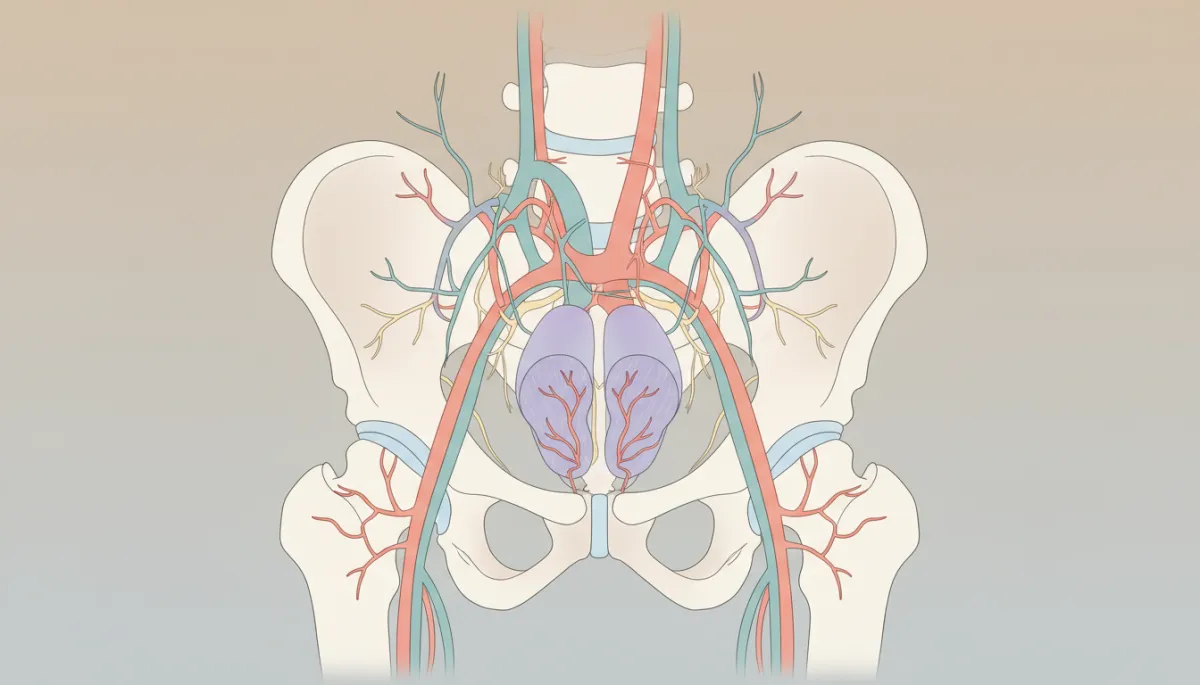
Erections depend on healthy blood vessels, nerves and smooth muscle working together.
Heart health and ED: how are they connected?
Researchers have found a clear overlap between conditions that affect the heart and conditions that cause erectile dysfunction. The arteries in the penis are smaller than the ones in the heart, so they can show problems with blood vessel health earlier. That means ED can sometimes appear in the same men who later develop heart or blood vessel disease, because both issues share risk factors like high blood pressure, high cholesterol, diabetes, and smoking.
This does not mean that ED automatically signals heart disease or that every man with ED will have a heart problem. It does mean that persistent ED is a good reason to have your overall health and cardiovascular risk checked. Improving heart health through diet, exercise, and medical care often supports better erections at the same time.
Low testosterone and ED: what is the link?
Testosterone helps support sex drive, energy, and mood. When levels fall below a healthy range, some men notice reduced interest in sex, fewer spontaneous or morning erections, fatigue, or changes in body composition. Low testosterone can make ED more likely, especially when it combines with other factors like weight gain or chronic illness.
At the same time, symptoms alone do not confirm low T. Many of the same complaints also come from stress, poor sleep, or other medical conditions. Blood tests are the only way to know your testosterone level. If your doctor finds a true deficiency, hormone therapy may be one part of your treatment plan, but it is not the right answer for everyone and should always be supervised carefully.
The role of stress, anxiety and mood in ED
Your brain is one of the most important sexual organs you have. When you are worried about work, finances, family, or your health, it is harder to stay focused on pleasure. Anxiety, especially about your performance, can interrupt the signals that start and maintain an erection. Depression can lower desire and make it tough to feel connected or interested in sex at all.
In real life, physical and psychological factors usually coexist. A man might have mild circulation problems and then develop strong anxiety after a few difficult experiences. That anxiety can then make the ED worse, even if the physical issue is modest. Addressing both sides, often with counseling as well as medical treatment, gives you the best chance of improvement.
Open conversations with a clinician help match ED treatments to your health and goals.
How ED is diagnosed in your 50s?
Diagnosing erectile dysfunction usually starts with a straightforward conversation. Your healthcare provider will ask about your symptoms, medical history, medications, lifestyle, and how long the problem has been going on. They may ask about your relationship, stress levels, and mental health as well, since these can influence erections just as much as physical issues.
A physical exam often includes checking your blood pressure, heart, pulses, and genital area. Many men will also have basic blood tests to look at blood sugar, cholesterol, and possibly hormone levels such as testosterone or thyroid hormones. Not every man needs every possible test. Your doctor will decide what makes sense for you based on your history and risk factors. To learn more about what to expect, see our ED Diagnosis overview.
Treatment options for ED in your 50s
The good news is that many men in their 50s respond well to treatment. The right plan depends on your overall health, the causes of your ED, and your preferences. Often, a combination of approaches works best.
Lifestyle changes. Improving your diet, being more active, losing excess weight, quitting smoking, and moderating alcohol can all support better blood flow and hormone balance. Even small, consistent changes can make a real difference over time.
Managing health conditions. Getting diabetes, high blood pressure, and high cholesterol under control helps protect both your heart and your erections. This may involve medication, but also ongoing follow up and lifestyle support.
Counseling or sex therapy. Working with a therapist can ease performance anxiety, improve communication with your partner, and address depression, stress, or past experiences that affect your sex life.
Oral medications. Drugs such as sildenafil and tadalafil increase blood flow to the penis in response to sexual stimulation. They are effective for many men, but they are not safe for everyone and require a prescription and proper medical review.
Vacuum erection devices. These noninvasive devices use gentle suction to draw blood into the penis, followed by a band placed at the base to maintain the erection for intercourse. Some men prefer them when pills are not suitable or not enough on their own.
Injection therapy and suppositories. Medication can be injected directly into the penis or placed in the urethra to trigger an erection. These methods bypass some of the pathways that oral pills rely on and may work when pills do not.
Surgical options, such as penile implants, are usually reserved for men who do not respond to other treatments and are considered on a case by case basis. For a full overview of these choices, visit ED Treatment Options.
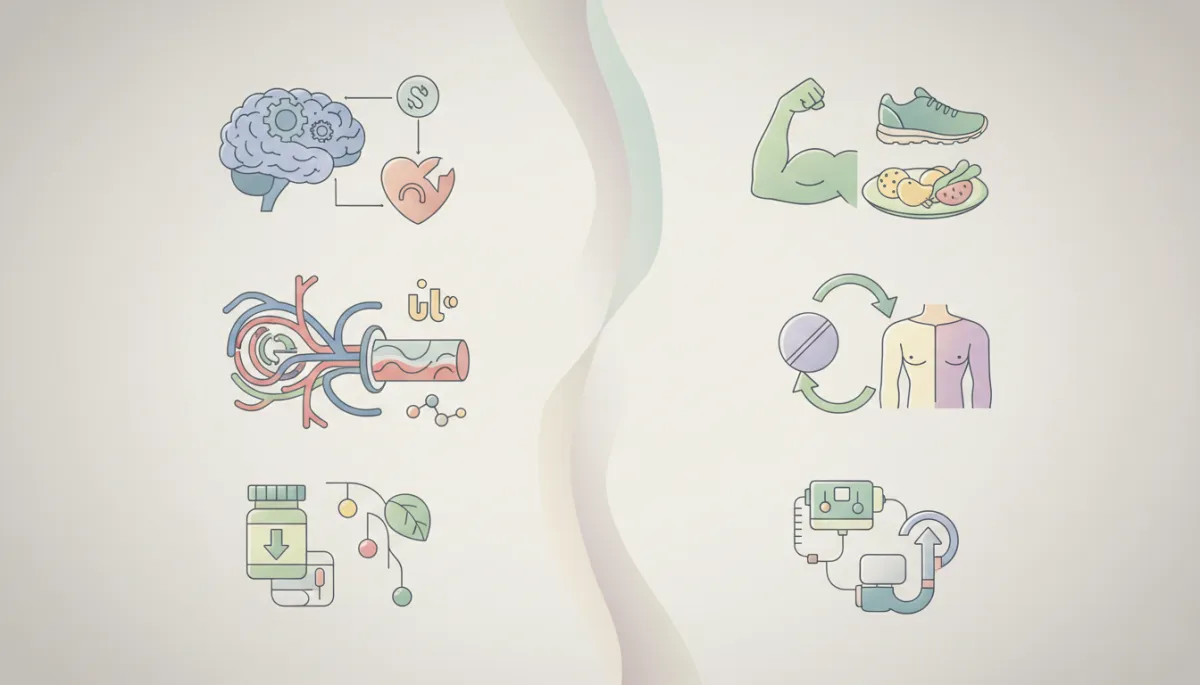
Seeing causes and treatments side by side can make it easier to plan next steps.
What if ED pills do not work?
Not every man responds to oral ED medications, even when they are taken correctly. Sometimes the dose needs adjustment, or the timing with food and sexual activity needs to be fine tuned. In other cases, underlying conditions such as uncontrolled diabetes, low testosterone, or significant nerve damage may limit how effective pills can be.
If you have tried pills without success, do not assume you are out of options. Your doctor can review how you have been using the medication, check for other contributing factors, and discuss next steps. One important option to talk about is erectile dysfunction injection therapy. You can learn more about how it works in our ED Injection Therapy resource.
Trimix: an ED injection option some men consider
Trimix is a physician prescribed combination of three medications designed to improve blood flow directly in the penis. Instead of traveling through your entire system like pills, Trimix is injected into the side of the penis with a very small needle shortly before sexual activity. The goal is to create a firm, reliable erection that does not depend as heavily on nerve signals or the pathways that oral medications use.
Trimix is not a one size fits all solution. The dose needs to be carefully adjusted for each man to avoid problems such as an erection that lasts too long. Because of this, it should only be used under medical supervision with clear instructions and follow up. Your provider can show you how to use it safely, what to watch for, and how to adjust the dose if needed. For a deeper look at what to expect, see our Trimix Guide.
When to see a doctor about ED in your 50s?
It is time to talk with a healthcare professional if:
ED has persisted for several months or is steadily getting worse
Erection difficulties are affecting your relationship, confidence, or quality of life
You also notice other symptoms, such as chest discomfort, shortness of breath, leg pain when walking, or significant fatigue
You have tried ED treatments without success and want to explore next steps
Seeing a doctor is not about admitting defeat. It is about taking charge of your health and getting the information and support you need. Many men find that addressing ED opens the door to better energy, better mood, and better long term health as well as better sex.
Frequently asked questions about ED in your 50s
Is it normal to have some erection problems in my 50s?
It is common to notice changes in how quickly and how firmly you get erections as you get older, and occasional difficulties are normal. Persistent problems that happen most of the time, or that cause distress for you or your partner, are not something you just have to accept. They are a reason to talk with a doctor and look for causes that can often be treated.
What health conditions are most often linked to ED in my 50s?
Diabetes, high blood pressure, high cholesterol, obesity, and sleep apnea all show up frequently in men with ED. Depression, anxiety, and chronic stress are also very common contributors. Some medications, including certain blood pressure drugs and antidepressants, can play a role. Your doctor can help you sort out which factors are most important in your case.
Can improving my lifestyle really help my erections?
Healthier habits are not a quick fix, but they often make a noticeable difference over time. Regular physical activity, a balanced diet, stopping smoking, and better sleep all support blood vessel health and hormone balance. Even if you still need medication, these changes can make treatments work better and support your long term health.
Are ED pills safe for everyone in their 50s?
No single treatment is right for everyone. Oral ED medications can be very helpful, but they are not safe for men who take nitrate medications for chest pain or certain other drugs. They also need to be used carefully if you have heart disease or low blood pressure. That is why it is important to get them through a healthcare provider who knows your medical history, not from unregulated sources.
What if I am nervous about talking to my doctor?
Feeling awkward is completely understandable, but keep in mind that ED is one of the most common topics in men’s health visits. Your doctor has heard these concerns many times before. You can start by saying something simple, like, “I have been having trouble with erections and would like to talk about it.” From there, your provider can guide the conversation and help you decide on next steps.
If you are ready to learn more about possible causes, how ED is evaluated, and which treatments might fit your situation, explore our resources on ED Causes & Risk Factors, ED Diagnosis, ED Treatment Options, ED Injection Therapy, and the Trimix Guide. The most important step is not to ignore ongoing problems. With the right support, many men in their 50s regain satisfying sexual function and confidence.
