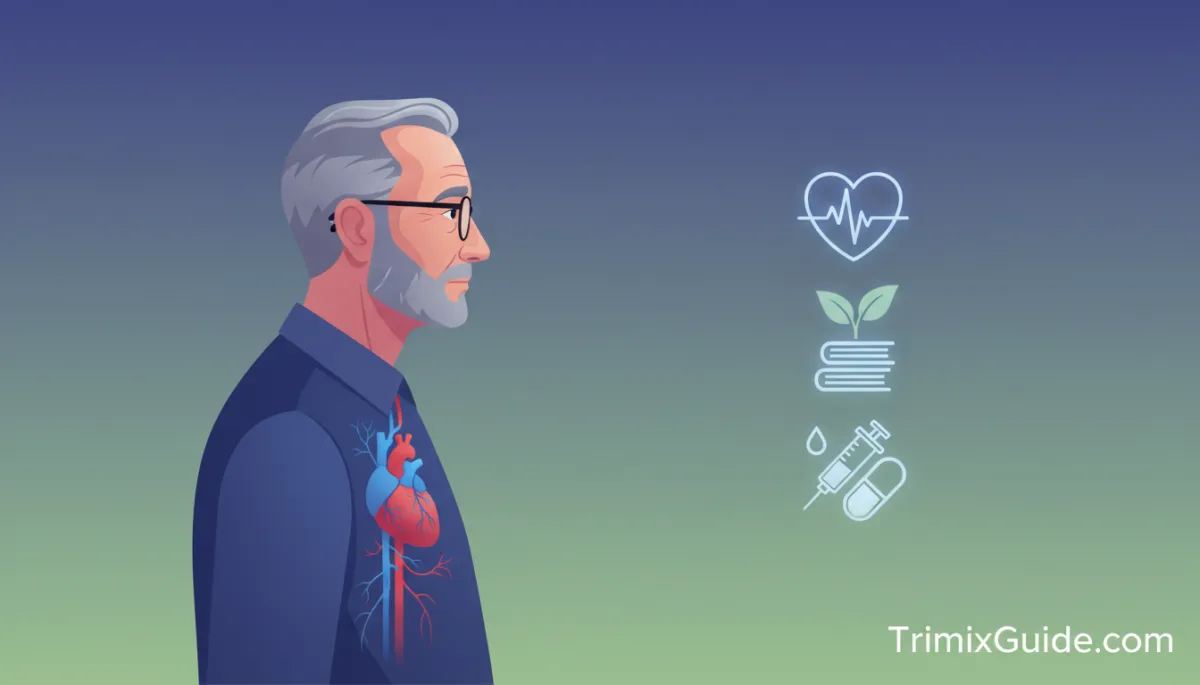
Erectile Dysfunction in Your 60s: Causes & Treatment
Erectile Dysfunction, Men's Health, Trimix, Injection Therapy
Erectile Dysfunction in Your 60s: Causes, Signs & Treatment
If you are in your 60s and noticing changes in your erections you are far from alone. Many men in this age group experience weaker or less reliable erections and some develop persistent erectile dysfunction in 60s that affects confidence and intimacy. Age does influence sexual function but ongoing erection problems are not something you simply have to accept. Often there are medical conditions, medications, lifestyle habits or emotional factors that can be identified and managed. Understanding what is happening is a first step toward getting help that fits your situation and health.
Can You Have Erectile Dysfunction in Your 60s?
Yes, ED in your 60s is very common. Large population studies suggest that roughly half of men over 60 report some degree of erectile difficulty, and the likelihood increases with age. That does not mean every man will have severe problems, but it shows how widespread this issue is.
Occasional erection trouble, for example after a stressful day or when you are very tired, does not automatically mean you have erectile dysfunction. Doctors usually think about ED when difficulties happen often, last for several months or interfere with satisfying sexual activity for you or your partner. If that sounds familiar, a medical evaluation can help you understand why it is happening and what can be done.
Is Erectile Dysfunction in Your 60s a Normal Part of Aging?
Aging does change sexual response. Many men in their 60s notice that erections take longer to develop, need more direct stimulation or are not as firm as in their 20s or 30s. Recovery time between erections often lengthens and orgasm may feel different. These shifts are linked to slower blood flow, hormonal changes and natural changes in nerve sensitivity over time.
Persistent erectile dysfunction is different from these gradual changes. When erections are regularly too weak for intercourse, disappear partway through sex or cause ongoing distress, it usually reflects more than normal aging alone. Often there are treatable contributors such as diabetes, high blood pressure, medication side effects or emotional stress. Because ED can also be linked with general health, it deserves attention rather than being dismissed as just getting older.
Common Symptoms of Erectile Dysfunction in Your 60s
ED symptoms in your 60s can range from mild to more severe. Men often describe one or more of the following:
Trouble getting an erection when you want to have sex, even with arousal or stimulation
Erections that are not firm enough to penetrate or stay inside the vagina or anus
Losing an erection partway through sexual activity more than occasionally
Inconsistent erections, for example sometimes firm, sometimes weak, without a clear pattern
Worry about performance, reduced sexual confidence or less satisfaction with sex for you or your partner
Some men still wake with occasional morning erections but have trouble during partnered sex. Others notice a general decline. Any of these patterns can be discussed with a healthcare professional so that possible causes can be explored.
What Causes Erectile Dysfunction in Your 60s?
Erections depend on healthy blood vessels, nerves, hormones and emotional wellbeing. In your 60s, several areas can be affected at the same time, which is why ED causes in your 60s are often mixed rather than a single issue.
Diabetes: High blood sugar can damage blood vessels and nerves that supply the penis. Diabetes and erectile dysfunction are strongly linked, and good blood sugar control can support better sexual function over time.
High blood pressure and high cholesterol: These conditions can narrow or stiffen arteries, which reduces blood flow to the penis. This can make it harder to get or keep an erection.
Cardiovascular risk factors: Smoking, obesity, lack of exercise and a history of heart disease can all affect the blood vessel lining and limit blood flow needed for erections. Recent reviews in urology journals describe ED as a possible early marker of vascular problems in some men.
Low testosterone and other hormonal conditions: Testosterone helps support sex drive and can influence erection quality. Levels often decline gradually with age. Thyroid problems and other hormone imbalances can also play a role. Only blood tests can confirm these issues.
Obesity and metabolic health: Extra body fat, especially around the waist, is linked with insulin resistance, inflammation and lower testosterone. These changes can increase the chance of ED at 60 and older.
Lifestyle habits: Smoking, heavy alcohol use, limited physical activity and poor sleep can all reduce blood flow, change hormone levels and worsen mood, which together may affect erections.
Mental health: Stress, anxiety, depression and relationship problems can lower desire and make it harder to stay relaxed enough for an erection. These issues can both cause ED and be made worse by it.
Medications: Some blood pressure medications, antidepressants, prostate drugs and others can affect sexual function in certain people. Never stop a prescribed medicine on your own, but do mention any changes in erections to your prescriber.
Neurological conditions: Stroke, multiple sclerosis, spinal cord problems and other nerve conditions can interfere with signals between the brain, spinal cord and penis.
Prostate conditions: Enlarged prostate, prostatitis and prostate cancer treatments can all influence erections in different ways, which we will look at more closely below.
Not every man with ED has a serious disease, but because several of these conditions also affect long term health, it makes sense to discuss persistent ED with a clinician who knows your medical history.
Can Heart Health Be Related to Erectile Dysfunction?
Heart health and erectile dysfunction are closely connected because both depend on healthy blood vessels. The arteries that supply the penis are smaller than the ones that supply the heart. In some men, reduced penile blood flow shows up earlier than chest symptoms. Research in cardiology and urology has highlighted ED as a possible early warning sign of underlying vascular changes in some older men, especially when combined with high blood pressure, diabetes or high cholesterol.
⚠️ Health reminder: ED does not automatically mean you have heart disease. It is one piece of information. If you have persistent ED along with risk factors such as smoking, diabetes, high blood pressure or a strong family history of heart problems, your clinician may suggest a cardiovascular checkup. Sources such as the National Institute of Diabetes and Digestive and Kidney Diseases (NIDDK) and Mayo Clinic offer educational material on this connection.
Can Prostate Problems Affect Erectile Function?
Prostate problems and erectile dysfunction often appear in the same age group, but the relationship is not simple. An enlarged prostate (benign prostatic hyperplasia) can cause urinary symptoms such as weak stream or frequent night urination. Those symptoms themselves do not directly cause ED, although disrupted sleep and worry can affect sexual interest. Some medications used to treat prostate symptoms can influence erections or ejaculation in some men.
Prostate surgery and erectile dysfunction have a clearer link. Operations such as radical prostatectomy for prostate cancer and some radiation treatments can affect the nerves and blood vessels that control erections. Many men see some degree of ED after these treatments, especially in the first months. Recovery varies widely and depends on factors like age, pre surgery function, surgical technique and rehabilitation strategies. Options such as oral medications, vacuum devices and erectile dysfunction injections are often part of post prostatectomy care plans discussed with a urologist.
Can Low Testosterone Cause ED in Your 60s?
Testosterone helps support sex drive, energy and mood. Many men in their 60s have somewhat lower levels than they did in midlife. Low testosterone and ED often occur together, but the relationship is not always direct. Some men with low levels still have erections, while others with normal levels have ED from vascular or nerve causes.
Signs that might prompt a clinician to check testosterone include reduced sexual desire, fatigue, depressed mood, loss of body hair or reduced muscle mass along with erectile problems. A blood test in the morning, when levels are usually highest, is used to confirm low testosterone. Treatment decisions are individual and should be made with a healthcare professional who can weigh potential benefits and risks, especially if you have heart disease, prostate concerns or other medical conditions.
Can Medications Cause Erectile Dysfunction?
Several common medications can contribute to ED in some men. Examples include certain blood pressure drugs, antidepressants, anti anxiety medications, some prostate medications and treatments for heart rhythm problems. These medicines are often important for protecting your health, so the goal is not to stop them on your own, but to review options with your prescriber if you notice changes in sexual function after starting or changing a drug. Sometimes adjusting the dose, switching to a different medication or adding an ED treatment can help, but this needs medical guidance.
Can Stress or Anxiety Cause ED in Your 60s?
Stress and erectile dysfunction are closely linked at any age. In your 60s you may be dealing with retirement planning, financial concerns, caring for parents, health issues or relationship changes. Worry about performance can also build after a few difficult experiences. Anxiety activates the body’s stress response, which can make it harder for blood vessels in the penis to relax enough for a firm erection. Depression can lower desire and reduce the motivation to be intimate.
Physical and psychological factors often overlap. For example, a man with diabetes and mild nerve damage may also feel anxious about disappointing his partner. Addressing only one side may not be enough. Counseling, stress management techniques and open communication with a partner can be very helpful alongside medical treatments when needed.

A private discussion with a clinician can clarify causes and options for ED.
How Is Erectile Dysfunction Diagnosed in Your 60s?
Diagnosis starts with a conversation. A healthcare professional may ask about when the problem began, how often it happens, whether you wake with erections, your relationship situation and any other symptoms such as low energy or chest discomfort. They will review your medical history, including diabetes, high blood pressure, high cholesterol, sleep apnea, depression or prostate problems, and they will look at your current medications and supplements.
A physical examination may include checking blood pressure, heart and lung sounds, pulses in the legs, the penis and testicles and sometimes the prostate. Blood tests are often used to check blood sugar, cholesterol, kidney function and hormone levels such as testosterone when appropriate. Depending on your situation, a clinician might suggest additional tests, for example specialized imaging of penile blood flow, but these are not needed for every man. Guidance from organizations such as NIDDK and Mayo Clinic supports this stepwise approach.
Erectile Dysfunction Treatment Options in Your 60s
Erectile dysfunction treatment in your 60s is usually tailored to your health, preferences and the likely causes of your symptoms. Often a combination of approaches works best rather than a single step.
Lifestyle changes: Regular physical activity, a balanced diet, weight management, quitting smoking and limiting alcohol can support blood flow, hormone balance and heart health. These steps may improve erections and benefit overall wellbeing.
Managing health conditions: Good control of diabetes, high blood pressure and high cholesterol can help protect blood vessels and may improve ED over time. Working with your primary care clinician on these goals is important.
Improving sleep and mental health: Treating sleep apnea, reducing stress, addressing depression or anxiety and considering counseling or sex therapy when needed can all support better sexual function.
Oral ED medications: Phosphodiesterase type 5 inhibitors such as sildenafil, tadalafil and similar drugs are often first line treatments. They increase blood flow to the penis in response to sexual stimulation. They are not suitable for everyone, especially men who use nitrates for chest pain, so medical review is essential before use. Mayo Clinic and NIDDK provide detailed patient information on these medicines.
Vacuum erection devices: A vacuum pump placed over the penis draws blood into the tissue. A tension ring at the base of the penis helps maintain the erection during intercourse. These devices do not involve medication and can be helpful alone or with other treatments, especially after prostate surgery.
Erectile dysfunction injection therapy and intraurethral medications: These treatments use medication such as alprostadil alone or in combinations to relax penile blood vessels. They are discussed in more detail below when we look at Trimix for ED.
Penile implants: For men who do not respond to or cannot use other options, surgically placed devices inside the penis can create a reliable erection when activated. This is usually considered only after other treatments have been tried and discussed with a urologist.
Some newer regenerative and energy based therapies such as platelet rich plasma injections and low intensity shockwave devices are being studied. As of 2026, professional groups such as the Sexual Medicine Society of North America advise that these approaches should be used only in clinical trials because long term benefits and safety are still being evaluated.
What If ED Pills Do Not Work?
Many men in their 60s do well with oral ED medications, but they do not work for everyone. If you have tried pills without good results, it does not mean you are out of options. Your clinician will usually review several points before moving on:
Whether you are taking the medication correctly, including timing, dose prescribed and need for sexual stimulation
Other health conditions such as diabetes, nerve damage or low testosterone that might limit response
Interactions with other medications or lifestyle factors like heavy alcohol use or high fat meals around dosing
If pills remain unsatisfactory or are not safe for you, erectile dysfunction injection therapy, vacuum devices or other treatments may be discussed. Injection therapy delivers medication directly into the erectile tissue of the penis, which can work even when nerve or vascular changes limit the effect of oral drugs. These treatments require careful teaching and follow up to use safely and comfortably.
Trimix for Erectile Dysfunction in Your 60s
Trimix is a physician prescribed combination of three medications, usually alprostadil, papaverine and phentolamine, prepared by a compounding pharmacy. It is injected with a very small needle into the side of the penis before sexual activity. The drugs relax smooth muscle in the erectile tissue and widen blood vessels so that blood can enter and stay in the penis, often producing a firm erection regardless of the timing of oral pills or food intake.
Trimix for ED may be considered for men who cannot take PDE5 inhibitors, who do not get enough benefit from them or who have specific conditions such as nerve damage after prostate surgery. Compared with pills, injections act locally and are not as dependent on sexual stimulation. They can be highly effective for some men, but they are not right for everyone and they do not cure the underlying causes of ED.
Possible side effects include penile pain, small bruises at the injection site, scar tissue inside the penis with long term use and, rarely, a prolonged erection that lasts several hours and needs urgent medical care. Because of these risks, dosing and technique must be taught and supervised by a clinician experienced in erectile dysfunction injection therapy. Trimix should never be shared with others or adjusted without medical advice.
When Should You See a Doctor About ED in Your 60s?
Consider making an appointment with a healthcare professional if any of the following apply:
Erection problems occur regularly or have persisted for several months
Symptoms are getting worse or are affecting your relationship or quality of life
You have diabetes, high blood pressure, high cholesterol, heart disease or a strong family history of these conditions
You notice other symptoms such as chest pain, leg pain when walking, shortness of breath, low energy or changes in urination
You suspect a medication may be contributing to ED
ED medication you already use is not working as expected or causes side effects
⚠️ Emergency: If you ever have an erection that lasts four hours or more after using an ED treatment, seek urgent medical care. This complication is uncommon but needs prompt attention to protect long term function.
Frequently Asked Questions
1. Is erectile dysfunction common in your 60s?
Yes. Studies of men over 60 suggest that around half or more report some degree of ED. Severity varies a lot from person to person.
2. Is ED in your 60s a normal part of aging?
Age related changes in erections are common, but persistent or distressing ED is not something you have to accept as normal. Many contributing factors are treatable.
3. What causes erectile dysfunction in your 60s?
Common contributors include diabetes, high blood pressure, high cholesterol, cardiovascular disease, low testosterone, obesity, smoking, alcohol, poor sleep, stress, depression, certain medications, neurological conditions and prostate problems or treatments.
4. Can high blood pressure cause ED?
High blood pressure can damage and stiffen blood vessels over time, which can reduce blood flow to the penis and contribute to ED. Some blood pressure medicines can also affect erections in certain men.
5. Can diabetes cause erectile dysfunction?
Yes. Diabetes and erectile dysfunction are strongly linked. High blood sugar can damage nerves and blood vessels that are essential for erections. Good diabetes management can help protect sexual function.
6. Can prostate problems cause ED?
Some prostate problems and treatments can influence erections. Enlarged prostate mainly causes urinary issues, but some medicines used for it can affect sexual function. Prostate surgery or radiation for cancer can directly affect erection nerves and blood flow.
7. Can low testosterone cause ED in your 60s?
Low testosterone can reduce sex drive and may contribute to ED in some men, often together with vascular or nerve factors. A blood test is needed to confirm low levels, and treatment decisions should be made with a clinician.
8. Can stress cause ED in your 60s?
Yes. Stress, anxiety and relationship tension can interfere with arousal and keep the body in a state that makes erections harder to achieve or maintain. These factors often interact with physical causes.
9. Can erectile dysfunction in your 60s be treated?
Many men in their 60s find treatments that help, including lifestyle changes, counseling, oral medications, vacuum devices, erectile dysfunction injections and, for some, surgery. The best approach depends on your health and preferences.
10. What should I do if ED pills do not work?
Talk with your clinician about how you are using the medication, your other health conditions and possible alternatives. Options may include adjusting the dose, trying a different pill, adding lifestyle and psychological support or moving to treatments such as vacuum devices or injection therapy.
11. Can Trimix be used for erectile dysfunction?
Trimix is one form of erectile dysfunction injection therapy that can be prescribed for some men when oral medications are not suitable or effective. It must be prepared and supervised by a qualified healthcare professional, and it is not appropriate for every person with ED.
