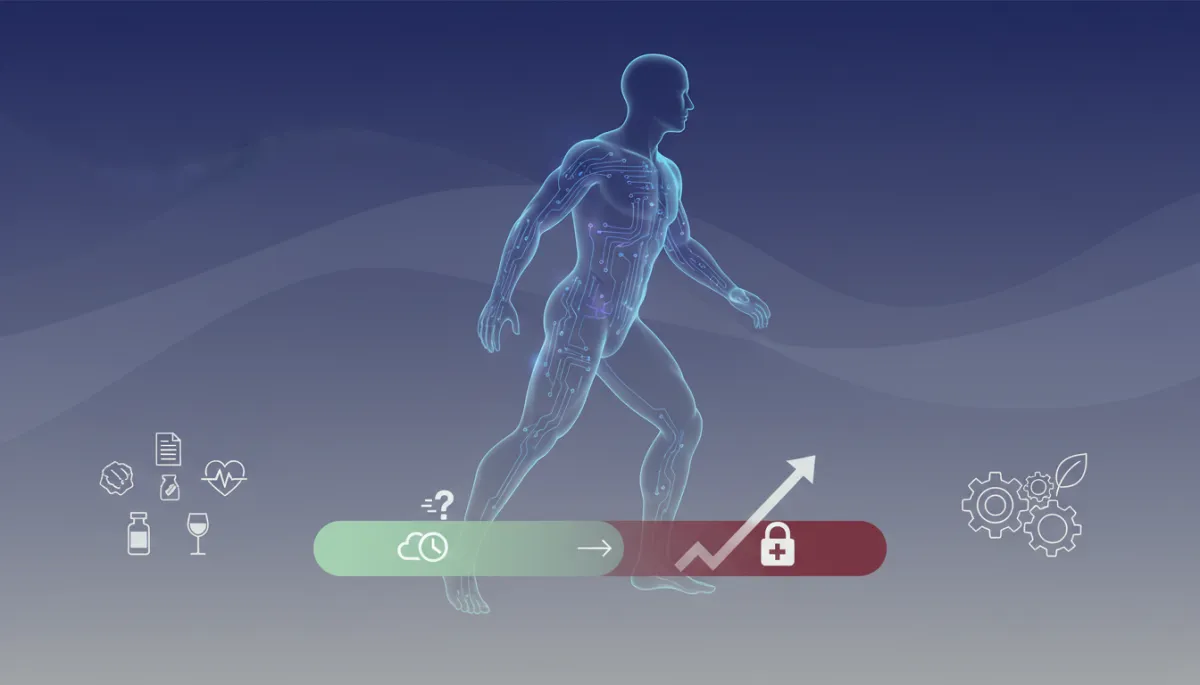
Understanding Erectile Dysfunction Duration
Men's Health, Erectile Dysfunction, ED Treatment
How Long Does Erectile Dysfunction Last? What Men Really Need to Know
The honest answer is: it depends on the cause. A single night of erection trouble after too many drinks or a stressful week is usually temporary erectile dysfunction and often improves once the trigger passes. But when erection problems keep happening for weeks or months, that’s more likely persistent erectile dysfunction (ED), which can last until the underlying issue is identified and treated.
Temporary Erectile Dysfunction vs. Ongoing ED
Many men experience a “bad night” or a short stretch of erection problems. That doesn’t automatically mean you have chronic ED. The key difference is pattern and persistence.
Temporary erectile dysfunction: Occasional difficulty getting or keeping an erection, often linked to a clear trigger like stress, fatigue, alcohol, or a brief illness. It may last a night, a few days, or come and go over a short period.
Persistent erectile dysfunction: Problems that happen most of the time for several weeks or longer, with or without an obvious cause. This is when ED is considered an ongoing condition, not just a rough patch.
📌 Key Takeaway: One or two episodes are usually temporary. When erection problems are recurrent or persistent, it’s time to take them seriously and talk to a doctor.
Why There’s No Universal Recovery Time for ED
There isn’t a set timeline like “ED lasts three months.” How long erectile dysfunction lasts depends on what’s causing it and how quickly that cause can be improved. For some men, symptoms ease in days or weeks; for others, ED may be longer term but still very treatable with the right plan.
Common Causes and How They Affect ED Duration
Multiple physical and emotional factors can contribute to ED, and each one can influence how long it lasts.
Stress, anxiety, and tiredness: Performance anxiety, work stress, relationship tension, or simple exhaustion can temporarily interfere with erections. When stress is reduced, sleep improves, or anxiety is treated, stress-related ED can absolutely go away.
Alcohol use: Heavy drinking can cause erection problems the same night and sometimes the next day. If alcohol use is ongoing, ED may become more frequent and longer lasting. Cutting back often leads to improvement within days to weeks.
Smoking: Nicotine damages blood vessels over time. Smoking-related ED usually doesn’t vanish overnight, but quitting can gradually improve blood flow and erections over months, and also protects your heart.
Medication side effects: Some antidepressants, blood pressure drugs, and other medications can affect erections. In many cases, medication-related ED improves after a dose change or switch to a different medicine under your doctor’s guidance.
Diabetes and high blood pressure: These conditions can damage blood vessels and nerves that are crucial for erections. ED tied to long-standing diabetes or hypertension may be more persistent, but better control of blood sugar and blood pressure can prevent worsening and sometimes improve function.
Heart and blood vessel problems: Narrowed arteries reduce blood flow to the penis. ED from cardiovascular disease often continues unless heart and circulation issues are actively treated, but medications and lifestyle changes can help both your heart and erections.
Low testosterone: Hormone imbalances can lower sex drive and contribute to ED. With proper testing and, when appropriate, hormone treatment, symptoms may improve over weeks to months.
Nerve issues and surgery: Nerve damage from diabetes, spinal problems, or prostate or pelvic surgery can cause more persistent ED. In some cases, function slowly returns over months to years; in others, ongoing ED treatment is needed but can still be very effective.

A medical evaluation can uncover the cause of ED and guide effective, personalized treatment.
When Does Occasional ED Become a Problem?
If you occasionally lose an erection when you’re stressed, distracted, or exhausted, that’s usually not a red flag. It becomes more concerning when:
It happens more than half the time you try to have sex.
It lasts for several weeks or longer without improving.
It’s affecting your confidence, mood, or relationship.
At that point, ED is unlikely to just “fix itself” and warrants a medical evaluation.
ED Treatment Options and How They Affect Duration
The good news: ED is highly treatable at almost any age. Treatment depends on the cause and severity, and often combines several approaches:
Lifestyle changes: Improving sleep, reducing stress, exercising, losing excess weight, quitting smoking, and cutting back on alcohol can all support better erections over time.
Medications: PDE5 inhibitors (such as sildenafil or tadalafil) help increase blood flow to the penis and can work within minutes to hours, even when the underlying cause takes longer to fix.
Counseling or sex therapy: For anxiety, depression, or relationship issues, therapy can reduce mental barriers to arousal and help temporary ED resolve more quickly.
Vacuum erection devices: These non-surgical pumps draw blood into the penis and can produce an erection within minutes, regardless of many underlying causes.
Injections: Medications injected directly into the penis can create a firm erection even when pills don’t work. One common option is Trimix, a combination of three drugs used for some men with more severe or persistent ED.
💡 Pro Tip: Don’t assume you’re “stuck” with ED. Many men see rapid improvement once they start the right treatment, even if the underlying cause is long-standing.
When to See a Doctor About Erectile Dysfunction
You should consider seeing a doctor if:
ED is recurrent or persistent for more than a few weeks.
You have other symptoms like chest pain, shortness of breath, or leg pain when walking (these can signal heart or blood vessel problems).
You live with diabetes, high blood pressure, or heart disease and notice new erection problems.
ED can be an early warning sign of other health issues, so getting checked is not just about sex—it’s about your overall health.
FAQs About How Long Erectile Dysfunction Lasts
How long does ED usually last?
There is no “typical” duration. Temporary erectile dysfunction from stress, alcohol, or a bad week might last a few days or come and go. Persistent erectile dysfunction can last months or years without treatment, but it often improves once the cause is addressed.
Can ED go away on its own?
Sometimes, yes. If it’s linked to short-term stress, poor sleep, or a temporary health change, erections may return to normal without treatment. But if ED is frequent, don’t wait months hoping it disappears—talk to a professional.
Can temporary ED last days or weeks?
Yes. A stressful period at work, ongoing anxiety, or recovery from illness can affect erections for days or even several weeks. If things aren’t improving after that, it’s smart to get checked.
When should I worry about ED?
Worry less and act sooner. If ED is recurrent, persistent, or affecting your quality of life, it’s worth a conversation with your doctor. The sooner you seek help, the sooner you can find a solution that works for you.
