
Erectile Dysfunction in 40s: Causes & Treatment
Men's Health, Erectile Dysfunction, Sexual Wellness
Erectile Dysfunction in Your 40s: Causes, Signs & Treatment
Noticing changes in your erections in your 40s can feel worrying, confusing, and even a bit embarrassing. Maybe you’re having a harder time getting an erection, losing it halfway through sex, or finding that things just don’t work as reliably as they used to. While the occasional off night is normal, ongoing erectile problems are worth paying attention to—not just for your sex life, but for your overall health.
Can Erectile Dysfunction Really Happen in Your 40s?
Yes, it can. Many men assume erectile dysfunction (ED) is something that only happens much later in life, but that’s not true. Research suggests that a noticeable number of men in their 40s experience ED, at least from time to time. The good news is that, at this age, ED is often treatable—and sometimes even reversible—once the underlying cause is identified.
It’s also important to distinguish between occasional difficulties and ongoing problems. A stressful day, a bad night’s sleep, or one too many drinks can affect your erection once in a while. That’s usually nothing to worry about. ED becomes a concern when problems happen consistently, last for several weeks or longer, or start to affect your confidence, relationships, or quality of life.
Common Signs and Symptoms of ED in Your 40s
Erectile dysfunction doesn’t always look the same for everyone. You might notice one symptom or several. Common signs include:
Difficulty getting an erection, even when you feel mentally aroused or want to have sex
Trouble maintaining an erection long enough for satisfying sexual activity
Losing an erection during sex more often than in the past
Erections that feel less firm than they used to
Reduced confidence or anxiety about performance because of repeated erection issues
If these symptoms are showing up regularly, it’s a sign to look deeper rather than hoping they’ll simply go away. A good starting point is learning more about erectile dysfunction and what might be causing it for you.
What Causes Erectile Dysfunction in Your 40s?
An erection is the result of a complex process involving your brain, hormones, blood vessels, nerves, and emotions. When something disrupts that process, ED can follow. In your 40s, several physical and emotional factors often come together. Common causes and risk factors include:
Cardiovascular and Metabolic Health Conditions
High blood pressure (hypertension): Damages blood vessels and reduces blood flow to the penis, making erections harder to achieve and maintain.
High cholesterol and atherosclerosis: Narrowed or stiffened arteries can limit the blood supply needed for a firm erection.
Diabetes: Over time, high blood sugar can damage nerves and blood vessels that support erections. Men with diabetes are more likely to experience ED and may notice it earlier.
These conditions are some of the most common ED causes and risk factors in midlife. Sometimes, ED is the first noticeable sign that something is going on with your heart or blood vessels.
Lifestyle Factors: Weight, Smoking, and Alcohol
Obesity and inactivity: Extra weight, especially around the midsection, is linked with ED, lower testosterone levels, and conditions like diabetes and high blood pressure.
Smoking: Cigarettes damage blood vessels and reduce circulation, which directly affects erection quality.
Alcohol use: A drink or two may help you relax, but heavy or regular drinking can interfere with nerve signals and hormone levels, and can make ED worse over time.
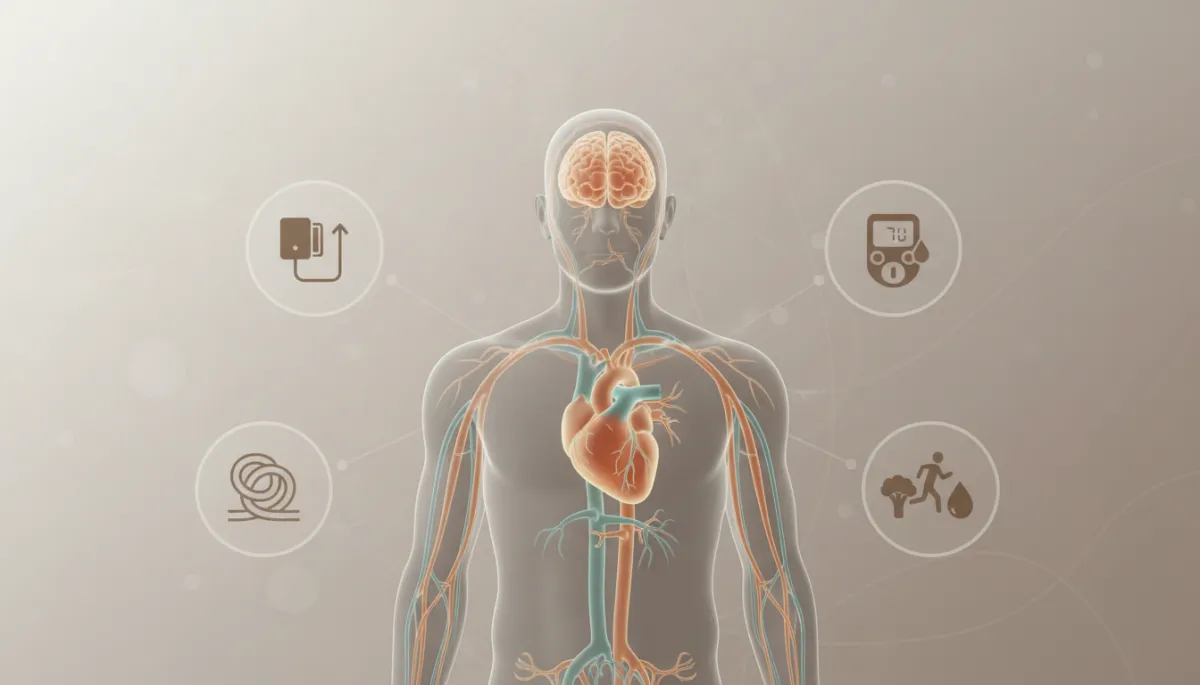
Medical conditions and lifestyle habits often work together to influence erection quality.
Stress, Anxiety, and Mental Health
Your 40s can be a high-pressure decade—careers, finances, parenting, aging parents, and relationship changes all add up. Stress and anxiety can seriously impact sexual function. When your brain is focused on worries, it sends “fight or flight” signals instead of “rest and connect” signals. Blood flow shifts away from the genitals, and erections become more difficult.
Performance anxiety can create a frustrating cycle. One difficult experience in bed can make you anxious about the next time. That anxiety can then make ED more likely, which reinforces your worry. Depression, relationship problems, and past sexual experiences can also play a role. In many men, ED has both physical and psychological components, which is why addressing stress and emotional health is often part of effective treatment.
Low Testosterone and Hormonal Factors
Testosterone naturally declines with age, but some men experience low testosterone (low T) earlier or more sharply than others. Low T can reduce sex drive, energy, mood, and muscle mass. It can contribute to ED, but it’s not the only factor. Many men with low testosterone still get erections, and many men with normal testosterone levels still have ED due to other causes.
Testing for low testosterone may be appropriate if you have ED along with other symptoms like low libido, fatigue, decreased shaving frequency, or loss of muscle. Your doctor can order a morning blood test to check your levels and discuss whether hormone issues might be part of the problem. You can learn more in our ED causes & risk factors guide.
Nerve, Medication, and Other Medical Causes
Neurological conditions: Disorders affecting the brain or spinal cord (such as multiple sclerosis, spinal injuries, or certain surgeries) can disrupt nerve signals needed for erections.
Medications: Some blood pressure medicines, antidepressants, and other prescription drugs can list ED or reduced libido as side effects. Never stop a medication on your own, but do talk to your doctor if you notice changes.
Because ED often has more than one cause, a thorough look at your health, lifestyle, and medications is key to getting the full picture.
Why Persistent ED Can Be a Health Warning Sign
It’s tempting to think of ED as “just a bedroom issue,” but that can be misleading. The blood vessels in the penis are smaller than those in the heart or brain, so problems with circulation may show up as ED before they cause chest pain or other symptoms. In that sense, ongoing ED can be an early warning sign of:
Cardiovascular disease
Diabetes or prediabetes
Hormonal imbalances
That’s one reason talking to a healthcare professional is so important. Treating ED isn’t just about improving sex—it’s also an opportunity to catch and manage broader health issues early.
How Erectile Dysfunction Is Diagnosed
Many men worry that getting evaluated for ED will be awkward or invasive. In reality, diagnosis usually starts with a straightforward conversation and basic exam. A typical ED diagnosis visit may include:
Medical history: Your provider will ask about your symptoms, when they started, how often they happen, your general health, medications, lifestyle habits, and mental health. Honest answers help them narrow down the likely causes.
Physical examination: This may include checking your blood pressure, heart and pulses, penis and testicles, and sometimes a brief prostate exam, depending on your age and symptoms.
Blood tests and other labs: When needed, tests can check blood sugar, cholesterol, testosterone, and other hormones or organ functions to look for underlying medical issues.

A clear diagnosis helps tailor ED treatment to your specific health needs.
More specialized tests are rarely needed, but they’re available in certain cases. The goal is to understand what’s driving your ED so treatment can be targeted and effective.
Treatment Options: What Actually Helps?
There’s no one-size-fits-all solution, but there are many effective treatment options. The right plan depends on the cause of your ED, your overall health, and your preferences. Our ED treatment options overview goes into more detail, but here’s a look at the main approaches:
Lifestyle Changes and Managing Health Conditions
Improving diet, exercising regularly, and reaching a healthier weight can boost circulation, hormone balance, and energy levels—all of which support better erections.
Quitting smoking and reducing alcohol use often lead to noticeable improvements in sexual function over time.
Treating high blood pressure, diabetes, high cholesterol, or sleep apnea can reduce ED and improve overall health.
Counseling and Addressing Psychological Factors
When stress, anxiety, depression, or relationship issues are part of the picture, counseling or sex therapy can make a real difference. Working with a therapist can help you break the performance anxiety cycle, communicate more openly with your partner, and rebuild confidence in the bedroom.
Oral Medications (“ED Pills”)
Medications like sildenafil, tadalafil, and similar drugs are often the first treatment tried. They work by increasing blood flow to the penis when you’re sexually aroused. These medications are effective for many men, but they:
Require sexual stimulation to work
May be less effective in men with certain medical conditions (like severe diabetes or after prostate surgery)
Can have side effects or interact with other medications, especially nitrates for chest pain
Vacuum Devices and Other Non-Surgical Options
Vacuum erection devices use a plastic cylinder and pump to draw blood into the penis. A ring at the base helps maintain the erection during sex. They’re medication-free and can be a good option for men who can’t take pills or prefer not to. Some men also benefit from urethral suppositories or other specialized treatments recommended by a urologist.
Injection Therapy and Other Advanced Treatments
For men who don’t respond well to pills—or can’t use them safely—erectile dysfunction injection therapy can be a powerful option. Medications are injected directly into the side of the penis with a very small needle, causing blood vessels to open and an erection to form, usually within minutes. A common combination is called Trimix, which includes three different drugs designed to improve blood flow.
Because dosing needs to be individualized and there are potential risks—like pain, scarring, or a prolonged erection (priapism) that doesn’t go away—medical supervision is essential. Your provider will teach you how to use injection therapy safely, adjust the dose, and monitor for side effects. You can read more in our dedicated ED injection therapy and Trimix guide.
What If ED Pills Aren’t Working?
If you’ve tried oral ED medications and they haven’t helped as much as you’d hoped, you’re not alone. Sometimes the dose needs adjusting, the timing isn’t quite right, or other health issues are getting in the way. Don’t give up or assume you’re out of options—this is exactly when to talk with a specialist.
A urologist or men’s health provider can:
Review how you’re using the medication and make adjustments
Reassess your underlying health and lab results
Discuss alternatives like vacuum devices, injection therapy, or in some cases, surgical options such as penile implants
The key point: ineffective pills don’t mean you’re untreatable. They simply mean it’s time for a more tailored approach.
When Should You See a Doctor About ED?
You don’t have to wait until things are “really bad” to get help. It’s a good idea to see a healthcare professional if:
ED symptoms persist for more than a few weeks or keep coming back
Your erection problems are affecting your confidence, relationship, or quality of life
You have other symptoms like chest pain, shortness of breath, leg pain with walking, or significant fatigue
You’re concerned about low testosterone or other hormone issues
Reaching out for help is a sign of taking charge of your health—not a sign of weakness. Most men are relieved after that first conversation, especially once they understand what’s going on and what can be done about it.
FAQs: Erectile Dysfunction in Your 40s
Is it normal to have ED in your 40s?
It’s not unusual, and you’re definitely not alone. Many men in their 40s experience some degree of ED. That said, “common” doesn’t mean you have to accept it. Persistent ED is often a sign of something treatable—either physically, emotionally, or both.
What are the main causes of ED at this age?
In your 40s, ED is commonly linked to cardiovascular risk factors (like high blood pressure, cholesterol, and diabetes), lifestyle habits (smoking, weight, alcohol), stress and anxiety, and sometimes low testosterone or medication side effects. Often, more than one factor is involved.
Can ED be purely psychological?
Yes. Some men have ED mainly due to performance anxiety, stress, depression, or relationship issues, even when their physical health is otherwise good. For others, psychological factors make a physical problem worse. That’s why a complete approach often includes both medical evaluation and attention to mental health.
Should I get my testosterone levels checked?
It can be helpful, especially if you have ED plus low sex drive, fatigue, or other signs of low T. Your doctor may order a morning blood test to measure your testosterone. Remember, low testosterone is only one piece of the puzzle, and treating it doesn’t automatically fix ED in every case. It’s best interpreted as part of a full ED workup.
What treatments are available if pills don’t work?
Options include vacuum erection devices, penile injection therapy (such as Trimix), and in some cases, surgical implants. Your provider will help you weigh the pros and cons of each approach based on your health, comfort level, and goals.
Is ED in my 40s reversible?
In many cases, yes—especially when it’s related to lifestyle factors, stress, or early cardiovascular and metabolic changes. Even when ED isn’t fully reversible, most men can achieve better erections and more satisfying sex with the right combination of lifestyle changes, medical treatment, and support.
If you’re dealing with erectile dysfunction in your 40s, you don’t have to figure it out alone—and you don’t have to accept it as “just getting older.” Talking with a healthcare professional, understanding your ED, and exploring tailored treatment options can help you protect both your sexual health and your long-term well-being.
